
Procurement Technology
Wanting to get the most from
your tech stack?
Stop being a slave to the tools and
start mastering them.
Upgrading your Procurement Technology Stack?
Feeling overwhelmed with all of the options, upgrades, apps, plug-ins, integrations and cloud solutions?
Stop being a slave to the tools and start mastering them.
Technology can have limitations because it wasn’t developed with your needs in mind. Sometimes being over configured, loses effectiveness. Too often organisations pay for 100% of the functionality, but in practical terms only using a small portion of it.
This is how we can help you:
- Training on the technologies you already have to make sure it’s leveraged
- Access our sourcing experts with experience in over 2000 e-Sourcing events.
- Get more bang for your buck from your existing technologies and tools ensuring you gain your return on the investment you originally made.
- Use 100% of the capability that is applicable for you in your environment.
Our technology consultants understand the real world of procurement and offer expertise in e-Sourcing and toolkits to help you achieve these results faster.

Get your Complimentary Category Strategy Tool!
Sign-up here and you will receive it
by email a few minutes later.
No strings attached.
Procurement Consulting Services








Procurement Technology
Your Local Leading Procurement Consultants
As Australian-based procurement consultants with national reach, we understand the nuances of local industries and government procurement requirements alike.

Government
organisations
View here >>
Publicly listed
companies
View here >>
Not-for-profit
organisations
View here >>
Privately owned
business
View here >>Procurement: Thought Leadership
From our collaborators who love open source thinking and participation.
Blog >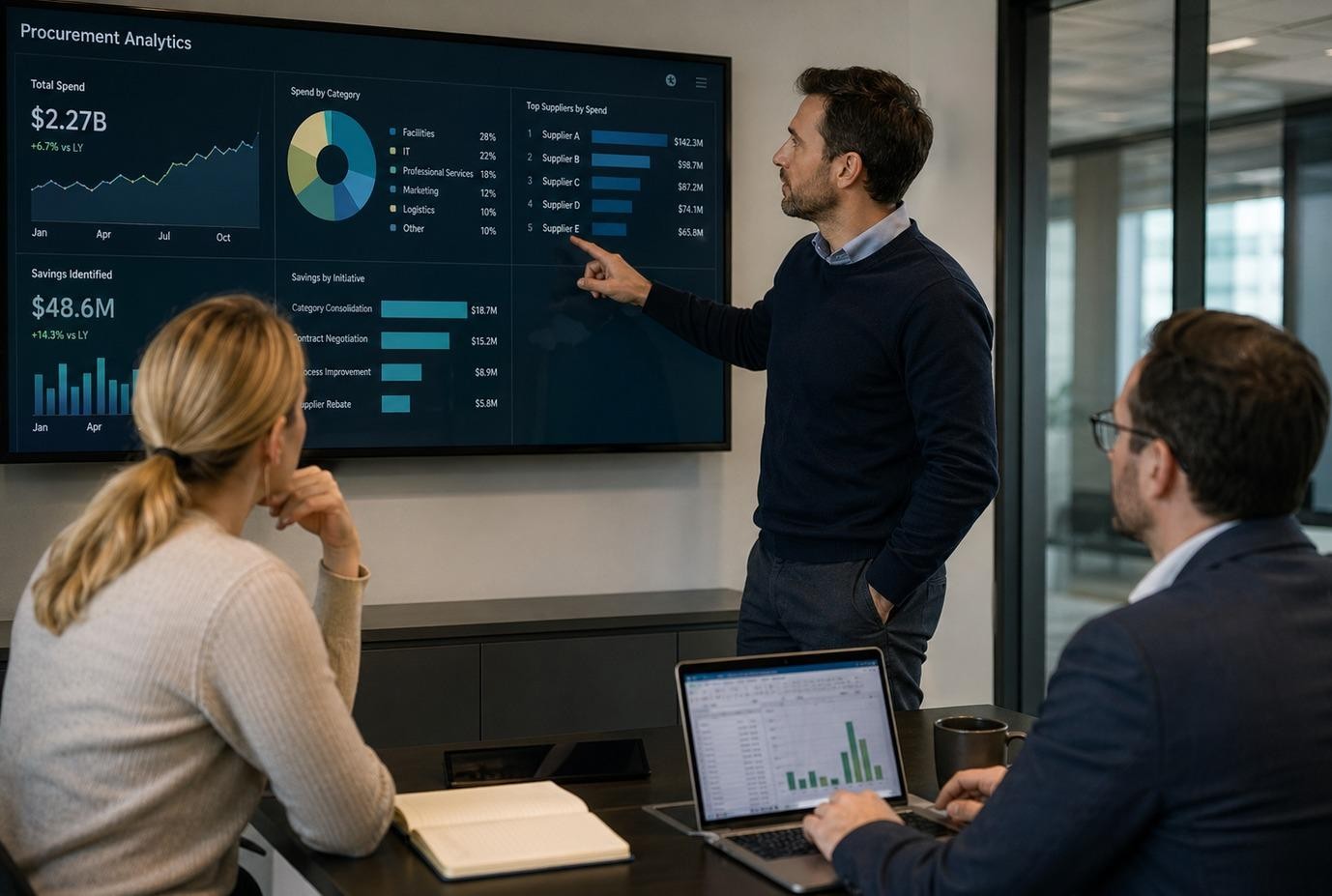
The switching cost trap: when your data lives in their model
Procurement data portability means being able to move procurement records together with the taxonomies, relationships, scoring rules, workflow logic and supplier history that make those records useful. Standard exports often preserve the records while losing part of that structure. Before signing a procurement SaaS contract, CPOs should know exactly what…
Read more.

Hey Procurement, Did You Buy AI Without Knowing It?
AI procurement governance does not end when the contract is signed. Suppliers can introduce AI later through software updates, new delivery methods, third-party models and contract renewals, changing the commercial arrangement without triggering a new procurement event. Your organisation may be using supplier-provided AI that procurement never explicitly bought. When…
Read more.
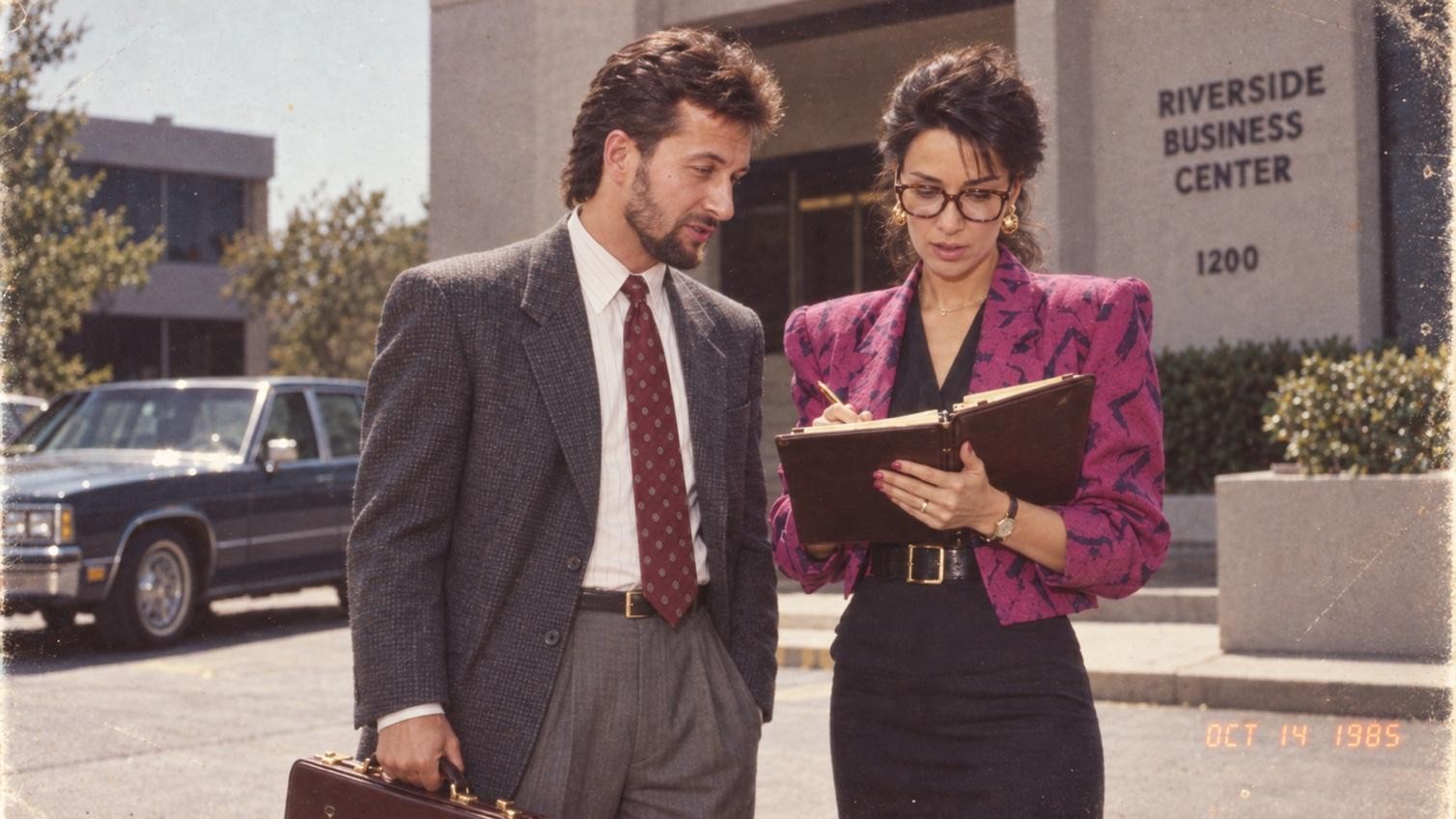
14 procurement truths that haven’t changed since the 1980s
Procurement has changed dramatically since the 1980s, but many of its core commercial problems have not. Cost still matters. Price is not total cost. Market knowledge creates leverage. Supplier choices create dependencies. Negotiated value can disappear after award. Procurement still wrestles with influence, capability, operating-model design and the promise of…
Read more.

What the Next-Generation Procurement Leader Needs to Master
Procurement Leaders who stall at enterprise scale are usually technically strong. This article maps the six capability domains where that conversion breaks down: enterprise finance fluency, strategic leadership, stakeholder influence and governance, digital operating judgment, risk translation, and leadership pipeline. It also names what a well-targeted development investment should actually…
Read more.
Frequently Asked Questions
-
What technologies are commonly used in procurement today?
Modern procurement operates within a digitally enabled ecosystem that extends far beyond transactional buying. Common technologies include:
- E-Procurement Platforms – Managing requisitions, approvals, purchase orders, invoicing, and payments across the procure-to-pay (P2P) cycle.
- Supplier Relationship Management (SRM) – Centralising supplier data, contracts, and performance monitoring to enable structured collaboration.
- Spend Analytics – Aggregating data across business units to uncover cost-saving opportunities, compliance gaps, and supplier risks.
- Contract Lifecycle Management (CLM) – Automating contract drafting, approvals, clause analytics, compliance checks, and renewals.
- E-Sourcing & E-Auctions – Digital tools for RFQs, competitive bidding, supplier qualification, and market price discovery.
- AI & Machine Learning – Predictive insights for demand forecasting, risk sensing, and intelligent decision support.
- Robotic Process Automation (RPA) – Automating repetitive tasks like PO creation, invoice matching, and compliance checks.
- Supply Chain Visibility Platforms – Tracking deliveries, inventory, and disruptions across global networks in real time.
- ESG & Risk Analytics Tools – Monitoring supplier diversity, carbon emissions (Scope 3), labour practices, and geopolitical risks.
- Blockchain & Smart Contracts (emerging) – Enabling traceability, anti-counterfeit assurance, and automated compliance enforcement.
Together, these technologies transform procurement into a strategic business enabler — improving cost, cash, risk resilience, and ESG performance.
Comprara helps organisations leverage these technologies effectively, from spend analytics through Purchasing Index to digital capability building via the Academy of Procurement.
-
How does procurement software improve efficiency?
Procurement software drives efficiency by eliminating friction and enabling transparency across the sourcing lifecycle. Key benefits include:
- Process Automation – Removing manual effort from requisitions, approvals, and invoicing, reducing cycle times from weeks to hours.
- Workflow Standardisation – Embedding global policies and approval hierarchies into systems, ensuring consistency across markets.
- Real-Time Collaboration – Cloud platforms allow teams, suppliers, and approvers to work in parallel across geographies.
- Integrated Data Management – Single-source visibility into spend, suppliers, and contracts, reducing duplication and errors.
- Decision Support via AI – Automated recommendations for supplier selection, price benchmarking, and risk mitigation.
- Mobile & Self-Service Tools – Allowing stakeholders to approve, request, and track purchases anytime, reducing bottlenecks.
- Exception-Based Management – Automated alerts on anomalies, compliance breaches, or supplier risks.
- Supplier Enablement – Onboarding vendors to e-invoicing, digital catalogs, and portals to increase adoption and reduce admin overhead.
The result is measurable: lower cost-to-serve, faster cycle times, higher compliance rates, and improved stakeholder satisfaction.
Comprara supports businesses in choosing and implementing procurement software that delivers measurable efficiency gains while embedding compliance and governance.
-
What role does automation play in modern procurement?
Automation is now central to procurement’s evolution — shifting teams from manual administration to strategic value creation.
- Transaction Processing – POs, invoices, payments, and receipts processed touchlessly at scale.
- Compliance Enforcement – Automated checks prevent non-compliant transactions from progressing.
- Supplier Onboarding – Digital workflows capture documentation, certifications, and compliance validations.
- Risk Sensing – Continuous monitoring of financial health, ESG ratings, and geopolitical events to flag supplier vulnerabilities.
- Forecasting & Planning – Machine learning predicts demand and optimises inventory levels.
- Contract Analytics – AI scans clauses for risk exposure, renewals, or regulatory gaps.
- Strategic Sourcing Acceleration – Automated RFPs, bid evaluations, and market research.
- Performance Analytics – Real-time dashboards on spend, supplier performance, and cycle times.
- Cash Optimisation – Automated enforcement of payment terms, SCF opportunities, and discount capture.
Automation delivers more than efficiency: it enforces governance at scale, reduces risk exposure, and frees procurement professionals to focus on supplier innovation, sustainability, and resilience.
Comprara helps organisations apply automation strategically, ensuring technology adoption translates into real-world efficiency, risk reduction, and innovation.
-
How can businesses choose the right procurement technology?
Choosing procurement technology is a strategic investment decision, not just an IT purchase. Success depends on alignment with business objectives and readiness for change.
Key considerations:
- Business Needs Assessment – Define challenges and success metrics (e.g., cost, cash, ESG, resilience) before looking at vendors.
- Current State Analysis – Map existing systems, data quality, and processes to determine integration requirements.
- Scalability & Future-Proofing – Ensure solutions can evolve with business growth and emerging trends (AI, ESG reporting, blockchain).
- Integration – Seamless connectivity with ERP, finance, treasury, and supply chain systems is critical.
- User Experience & Adoption – Consumer-grade interfaces drive adoption and reduce maverick spend.
- Vendor Evaluation – Assess financial stability, innovation roadmap, customer support, and industry experience.
- Total Cost of Ownership – Include licenses, implementation, change management, and ongoing support in the business case.
- Security & Compliance – Validate data protection, audit trails, and regulatory alignment.
- Pilot & Proof of Concept – Test with specific categories or suppliers before scaling.
- Change Management – Invest in training, communication, and stakeholder buy-in to ensure adoption.
- Success Metrics – Define KPIs upfront: % spend on system, cycle time reduction, touchless processing %, supplier adoption, compliance rate.
The best organisations treat technology adoption as a phased transformation journey — balancing quick wins with long-term capability building.
Comprara advises businesses on selecting and embedding the right procurement technologies, balancing quick wins with sustainable transformation and capability uplift.
Services
Solutions
Platforms
About

Sign-up for procurement insights
Comprara Pty Ltd
- ABN: 57 642 065 594
- Level 6, 365 Lt Collins Street,
Melbourne, Victoria 3000
Australia - Tel: +61 3 8547 3940
Comprara acknowledges the traditional Aboriginal owners of country, recognises their continuing connection to land, water and community and pays respect to Elders past, present and future.